Quick Answer · Checked July 2026

Do I Need an Audio Interface If I Have a USB Mic?

This question gets a lot of confidently wrong answers, usually from people selling interfaces. The short version is that you almost certainly do not, and here is exactly when that changes.
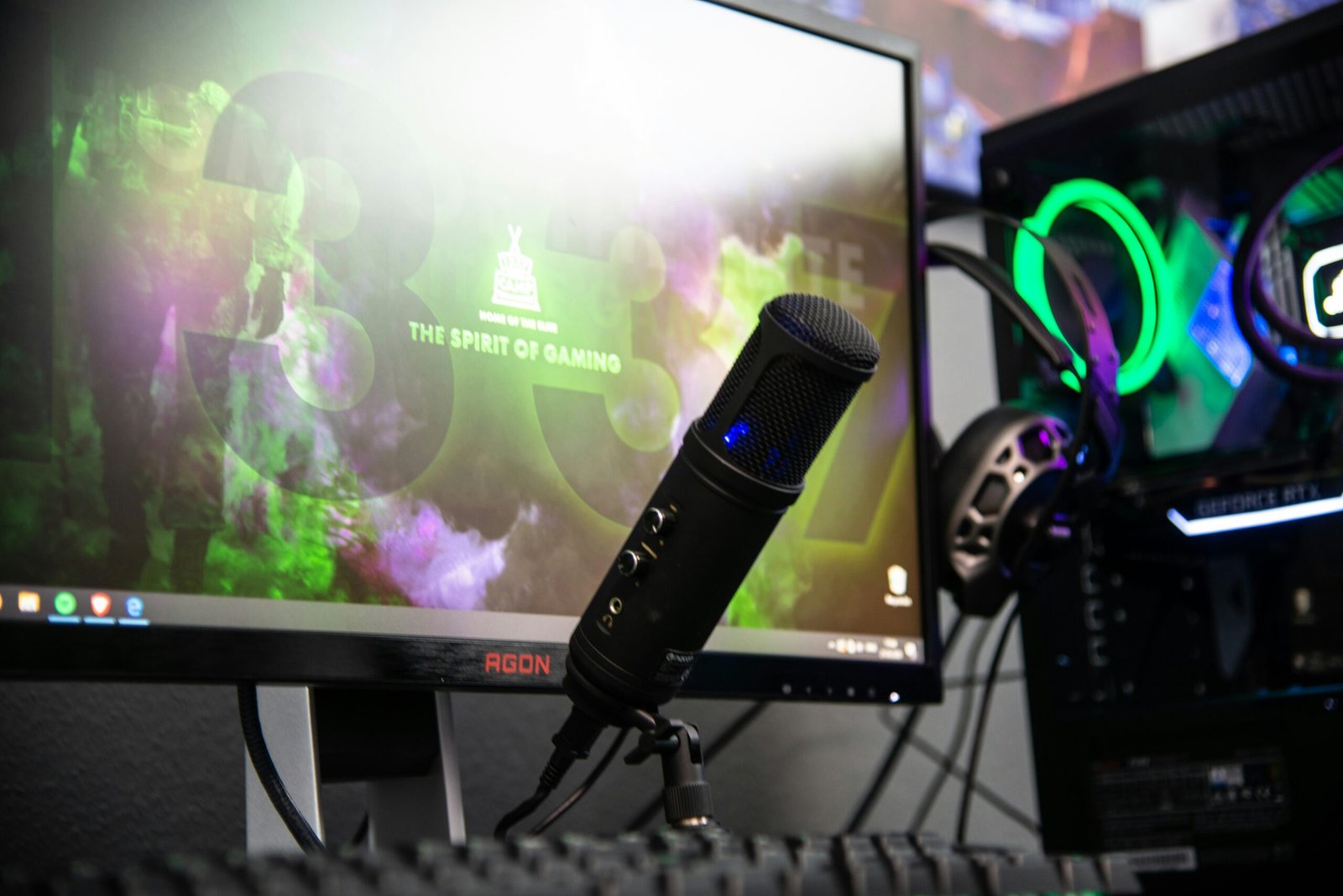
A USB microphone connected to a laptop

The short answer

No. A USB microphone already contains an audio interface — that is the entire reason the format exists.

Buying a separate interface to plug a USB mic into does not improve anything, and in most cases you physically cannot: the connectors do not match. You need an interface when you move to XLR microphones, not before.

What Is Actually Happening

A USB mic is a microphone and an interface in one box

An audio interface does three jobs. Understanding them makes it obvious why a second one adds nothing.

XLR chainXLR micInterfacepreamp + converter + powerComputerUSB chainUSB microphonecapsule + preamp + converter, all insideComputerSame jobs,one box

The interface amplifies a quiet microphone signal, converts it from analogue to digital, and supplies power where needed. A USB mic does all three internally and hands the computer finished digital audio. Adding another interface would mean converting something that is already converted.

When It Changes

The situations that do need one

Your situationInterface?Why
Recording two people at onceYesA USB mic cannot cleanly share a computer with a second one
Moving to an XLR microphoneYesXLR mics have no built-in electronics
Wanting better sound from your USB micNoThe conversion already happened inside the mic
Reducing latencyRarelyMost USB mics have a zero-latency headphone jack
Plugging in a guitar or synthYesYou need a physical instrument input
Recording somewhere elseNoPortability is the USB format’s main advantage

Notice that every genuine yes is about what you are plugging in, never about sound quality. If someone tells you an interface will make your USB mic sound better, they are describing something that cannot happen.

Common Questions

Straight answers

Can I plug a USB microphone into an audio interface?

Generally no. USB mics have a USB connector and interfaces expect XLR or jack inputs. Even where an adapter physically fits, you would be feeding an already-converted digital signal into an analogue input, which does not work.

Will an audio interface make my USB mic sound better?

No. The preamp and analogue-to-digital conversion already happened inside the microphone. There is nothing left for a second interface to improve.

My recordings sound thin. Is an interface the fix?

Almost never. Thin recordings usually come from mic distance, mic placement or an untreated room. Move closer, angle the mic slightly off-axis from your mouth, and put something soft behind you before spending anything.

Do I need phantom power for a USB mic?

No. Phantom power is a 48V supply sent down an XLR cable to condenser microphones. A USB mic draws what it needs from the USB port.

Should I skip USB and go straight to an interface?

Only if you already know you will record more than one source. If you record yourself alone, USB is fewer things to buy, fewer things to configure and fewer things to fail.

How we produced this guide

This guide explains how the USB and XLR signal chains differ, based on how the two formats are specified rather than on bench measurement. There are no prices to source here because the honest answer to the question is usually that you do not need to spend anything.

We have not tested every product referenced here and do not claim to have. This is analysis built on published specifications, current UK pricing and practical experience of ordinary rooms — not laboratory measurement.

Checked July 2026. Reviewed quarterly.

P

Written by

Paul started Setupfind after one too many American gear guides priced equipment he could not actually buy here. He works in digital research and SEO, and spends his own time on music production — including supporting an independent Afrobeats artist, where a session budget is a real number rather than a hypothetical one.

He is not a studio engineer, and this site does not pretend otherwise. What Setupfind offers is disciplined price research, UK-specific context, and a refusal to recommend anything on the strength of a manufacturer’s press release.

Affiliate disclosure: some links on Setupfind earn us a commission if you buy through them, at no extra cost to you. Commission never determines what we recommend.