Two-Host Guide · Checked July 2026

Podcast Setup for Two People (UK Gear List)

Adding a second person to a podcast is not simply buying a second microphone. It changes the interface you need, the room you can use, and how you edit. Here is the whole picture, in pounds.
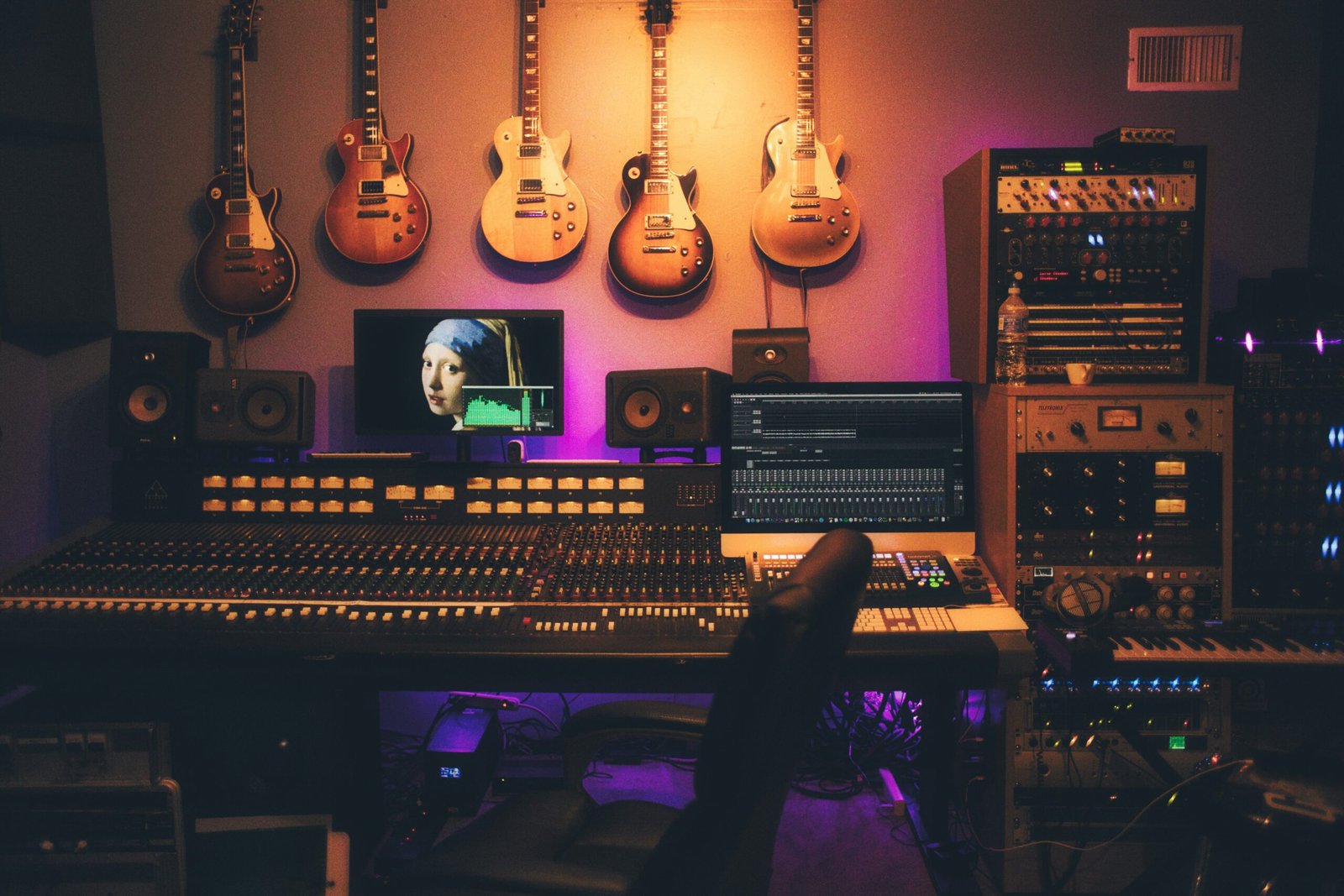
Two microphones set up for a podcast recording

The short answer

A two-person podcast setup costs £430 to £700 in the UK for a rig you can record with weekly and not outgrow.

The non-negotiable is a two-input audio interface recording each host to a separate track. Two USB microphones on one computer is the trap almost everyone falls into, and it creates editing problems no plugin can fix afterwards.

The Core Decision

Two USB mics will let you down

It looks like the cheap route, and for one recording it sometimes works. The problems show up on the edit, which is exactly when you cannot go back and fix them.

1

Clock drift

Two USB devices run on independent clocks. Over an hour the tracks slide apart, and by the end one host is answering questions slightly before they were asked.

2

Driver conflicts

Most recording software expects one input device. The workarounds exist but they are fragile, and they tend to fail on the day you have a guest who travelled to see you.

One interface, two inputs

A single two-input interface uses one clock and presents as one device. Each host lands on their own track, so you can fix one person’s levels without touching the other. This is the whole reason the format exists.

Separate tracks are worth more than better microphones. If one host coughs, laughs over an answer, or sits too close, you can repair their track alone. On a single mixed track, everything you do to one voice you do to both.

The Gear List

Two builds, itemised

Start here

The £430 two-host rig

~£430
  • Two-input audio interface — £180
  • Two dynamic XLR microphones — £140
  • Two desk stands and XLR cables — £60
  • Headphone splitter and second pair — £50

Dynamic mics rather than condensers, deliberately. Two condensers in an untreated room pick up each other, the table and the room, and the crosstalk is unfixable in the edit.

The £700 version

~£700
  • Higher-gain two-input interface — £280
  • Two broadcast dynamic mics — £240
  • Two boom arms and cables — £110
  • Four absorption panels — £70

Boom arms matter more with two people than one. They let each host position the mic without colliding across a shared table, and they keep handling noise off the desk.

Prices are typical UK retail at the time of checking and will vary by retailer.

Common Questions

Straight answers

Can two people share one microphone?

You can, but it costs you every editing option. One shared mic means one track, so you cannot fix one host without affecting the other, and whoever sits further away sounds it.

Do I need two sets of headphones?

Yes, and a splitter. Both hosts need to hear the recording live, otherwise nobody notices a problem until the session is over.

Should we use condenser or dynamic mics?

Dynamic, in almost any room you have not treated. Two condensers on one table pick up each other and the room, and that bleed cannot be removed later.

What if my co-host is remote?

Then this gear list changes entirely. Each of you records locally on your own machine and the files are combined afterwards, so you each need a one-person setup rather than a shared two-input interface.

How far apart should the microphones be?

Roughly a metre if you can manage it, and angled away from each other rather than facing across the table. Distance and angle both reduce how much of your co-host lands on your track.

How we produced this guide

Equipment prices are typical UK retail at the time of checking, drawn from current retailer listings. The technical points about clock drift and driver conflicts between multiple USB audio devices reflect well-documented behaviour of USB audio on desktop operating systems rather than our own bench testing.

We have not tested every product referenced here and do not claim to have. This is analysis built on published specifications, current UK pricing and practical experience of ordinary rooms — not laboratory measurement.

Checked July 2026. Reviewed quarterly.

P

Written by

Paul started Setupfind after one too many American gear guides priced equipment he could not actually buy here. He works in digital research and SEO, and spends his own time on music production — including supporting an independent Afrobeats artist, where a session budget is a real number rather than a hypothetical one.

He is not a studio engineer, and this site does not pretend otherwise. What Setupfind offers is disciplined price research, UK-specific context, and a refusal to recommend anything on the strength of a manufacturer’s press release.

Affiliate disclosure: some links on Setupfind earn us a commission if you buy through them, at no extra cost to you. Commission never determines what we recommend.